-
1. Walk the floor and map every listening zone
-
2. Right-size the amplifier for gym duty, not for “loud”
-
3. Choose the speaker format by zone, not by catalog
-
4. Put trainer earbuds on the spec list
-
5. Check the total order against current regional pricing
-
6. Commission with a listening test, not just a sound meter
-
7. Order spare drivers and an amp module before you need them
-
Post-install mistakes I keep running into
Before you sign an audio quote for a fitness facility, run this checklist. Seven steps. Some take five minutes; Step 4 is the one that usually gets skipped, and it often saves you from buying gear your trainers won’t actually use.
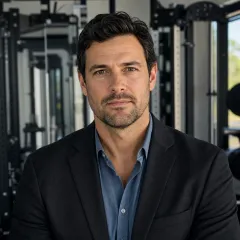
I’m a quality and compliance manager in Bose’s commercial group. I review roughly 200+ unique audio specs a year for fitness centers, hotels, entertainment venues, and corporate offices. In 2024, I rejected about 12% of first deliveries. Not because the equipment was dead on arrival, but because the spec didn’t match the room.
When I first started this job, I assumed budget was the root of every quality problem. It isn’t. I’ve rejected systems that cost more than a car because the amplifier was undersized for the speakers, and I’ve approved much cheaper setups that were engineered sensibly.
The fundamentals haven’t changed: match power to speakers, place speakers where people actually train, and keep the signal path clean. What has changed is the equipment. Five years ago, class-D amplifiers were often dismissed in commercial installs. In 2025, they’re the practical default in most gym projects because they run cool and deliver clean sustained power. The same principle applies to the earbuds trainers wear. What worked for a studio in 2020 is probably not what you should buy now.
1. Walk the floor and map every listening zone
Don’t start with a product list. Start with the floor plan. Spend an hour walking the building while it’s operating at normal noise levels.
On the strength floor, the leg press machine is gym equipment that creates heavy, low-frequency impacts when plates are loaded and dropped. That’s a sharp, intermittent noise. If you put one loud speaker in the front of that space, people at the back hear nothing but clanging. Speakers need to be distributed, not just loud.
The cardio deck is a different problem: treadmills, ellipticals, and rowers create a steady white-noise floor. The music has to be clear enough to cut through that hum without being cranked to uncomfortable levels. Ceiling speakers spaced evenly usually beat one overpowered wall speaker.
Then there’s the group fitness studio. This zone needs real output, full-range sound, and bass control if your classes are beat-driven. It should be treated as a performance space, not a background music zone. Most quality complaints I see come from gyms that put a distributed ceiling system in a studio where the instructor is trying to run a 90-minute cycling class.
One pattern showed up repeatedly in our Q1 2024 audit: facilities over-speccing the lobby and under-speccing the group floor. The lobby is where the owner stands and listens, so it gets the good gear. The strength floor is where the system gets abused, so it gets whatever was left in the budget.
2. Right-size the amplifier for gym duty, not for “loud”
Let’s answer the basic question first: what is amplifier headroom, and why does a gym owner need to care? An amplifier takes the low-voltage audio signal from a mixer, media player, or DSP and boosts it into enough power to drive passive speakers. In a consumer system, the amp might be built into a receiver. In a commercial gym, it’s usually a separate unit in an equipment rack.
People often think a bigger amp means a louder gym. It doesn’t. It means a system that can play at class volume without running out of clean power. In my experience, the most dangerous spec in commercial audio is an underpowered amp paired with high-output speakers.
Everything I’d read about audio gear earlier in my career suggested extra amplifier headroom was a luxury. My experience reviewing gym failures says otherwise. When an amplifier runs out of voltage, it starts clipping. A clipped signal is effectively a square wave, and that distortion sends concentrated high-frequency energy straight to your tweeters. That’s how tweeters die. An oversized amp running comfortably is actually safer than an undersized amp pushed to its limit.
A reasonable starting point: match the amplifier’s continuous rating to roughly 1.5 times the speaker’s continuous power rating, then set limiters during commissioning. A licensed audio designer will confirm the exact numbers for your layout. The worst phrase I read on purchase orders is “the amp is bigger than the speaker, so it must be fine.” Size matters. So does ventilation.
3. Choose the speaker format by zone, not by catalog
The same brand sells cube speakers, wall-mount speakers, ceiling speakers, and tower-style systems. None of them is inherently better. Each fits a zone.
For cardio floors and open workout areas, ceiling speakers with even spacing give you coverage without visual clutter. For the strength floor, wall-mount speakers aimed into the training area are usually more effective than ceiling speakers, because equipment racks and mirrors can block direct sound. For a group fitness room, you want speakers with output that matches the class format. If the class is based around heavy bass, budget for a subwoofer and make sure the amp has channels to drive it properly.
One mistake I see in almost every spec: one very expensive speaker at the front of a long room. The first row gets blasted, the back row hears mud. A less expensive pair of speakers positioned down the length of the room will sound better to more people. Speaker placement is a quality issue, not just a design preference.
4. Put trainer earbuds on the spec list
This is the step that gets skipped. Most gyms spend weeks choosing a PA system and then have an instructor buy whatever earbuds are on sale at the front desk.
Trainers on a busy floor need to hear audio cues and music while still hearing members, equipment noise, and safety issues. That’s why the Bose open earbuds category is growing so quickly in commercial orders. The Bose Ultra Open Earbuds clip around the ear and don’t seal the ear canal. You get the music or the coaching app in your ear, but you also get a natural, unprocessed sense of the room around you.
If your trainers prefer a sealed in-ear format, the Sony XM5 earbuds are one of the most popular models I see in gym orders. They have a very good ambient mode that lets sound in when you need it, and they block noise well when you don’t. To be fair, both approaches work. What doesn’t work is leaving this decision to chance. Buy earbuds as part of the staff equipment budget, test one pair for a week, and standardize the model.
5. Check the total order against current regional pricing
Audio pricing is regional, and stale lists cause more purchase-order errors than you’d think. Check the Bose QuietComfort Ultra earbuds price Australia before budgeting, for example. At launch it was about A$449.95, while the same product was US$299 in the United States. That gap isn’t a mistake; it reflects local taxes, import costs, and regional pricing. A purchasing team that doesn’t check can easily flag a legitimate price as an overcharge, or approve a quote that’s 30% above current street price.
This matters beyond earbuds. Amplifier and speaker pricing can shift between product generations too. I’ve rejected purchase orders where the vendor quoted a discontinued model number at the original list price. Ask for current SKUs and get the quote in writing from an authorized dealer.
6. Commission with a listening test, not just a sound meter
When the installation is done, don’t just measure decibels. Walk every zone while playing the content you actually use. That means bass-heavy playback in the group studio, a podcast or TV audio in the lobby, and your house playlist on the strength floor.
Listen for distortion at the highest level you’d normally run. Listen for dead spots in each training area. Have someone speak into a microphone so you can check vocal clarity; music that sounds fine can make speech unintelligible. And ask the installer to show you where the limiters are set. A correctly commissioned system should be difficult to damage from the front desk.
7. Order spare drivers and an amp module before you need them
If a speaker fails nine months after installation, the replacement may come from a different production batch or may not match the mounting hardware. Order spare drivers for the most common speaker in the project, plus one extra amplifier module and a small stock of earbud tips for staff. It’s a line item that seems easy to cut, but it’s the one that keeps a failure from becoming a facility closure.
A fitness center that runs six classes a day cannot wait a week for an emergency shipment because a driver blew in the studio. One spare driver is cheap insurance. Store it on site and label it clearly.
Post-install mistakes I keep running into
One facility saved about $900 by substituting consumer shelf speakers for the specified commercial wall-mount speakers. Within six months, two tweeters failed. The replacement cost plus labor was roughly double the original savings. Consumer speakers have a place in a gym lounge or an office, but on a main exercise floor, they’re not built for sustained output in a hard, reflective, dusty room.
Another issue is amplifier ventilation. I’ve seen amps stacked in unventilated cabinets next to cleaning supplies. Heat is the main killer of electronics. If the amp rack gets hot to the touch during a normal class day, the system won’t last its expected lifespan.
Finally, set volume limits at commissioning. A front-desk employee connecting a phone at full volume can destroy a carefully tuned system in one evening. This isn’t a user discipline problem; it’s a system design problem. The limiter should be in the DSP, not in the hopes of the staff.
This checklist comes from my experience reviewing mid-size commercial facilities—roughly 10,000 to 50,000 square feet. If you’re a small boutique studio with one class room, you can simplify parts of it. But don’t skip Step 2, and don’t skip Step 4. Those are the two failures I keep finding in the orders that come back.
Ask a follow-up question